Composite Veneer Direct Bonding

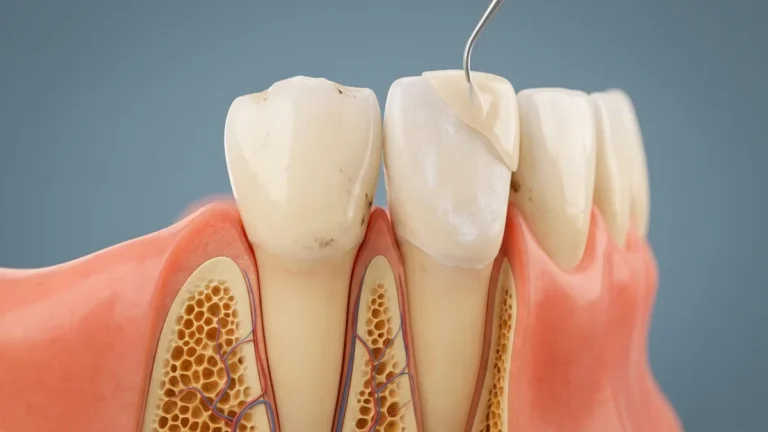
Composite veneer direct bonding is a minimally invasive cosmetic treatment where a dentist applies tooth-colored composite resin directly to the tooth surface. The dentist sculpts, shapes, and hardens the material using a high-intensity light to correct minor imperfections like chips, gaps, or severe discoloration. Unlike traditional porcelain veneers, this procedure requires minimal to no enamel removal, preserving your natural tooth structure. The entire treatment is completed in a single dental visit, offering an immediate cosmetic transformation with zero recovery downtime. Patients seeking composite resin veneers in Hanoi or HCMC can restore single or multiple teeth quickly, making it a highly efficient and conservative option for international dental tourists looking to enhance their smile.
Ct Scan 3D X Ray

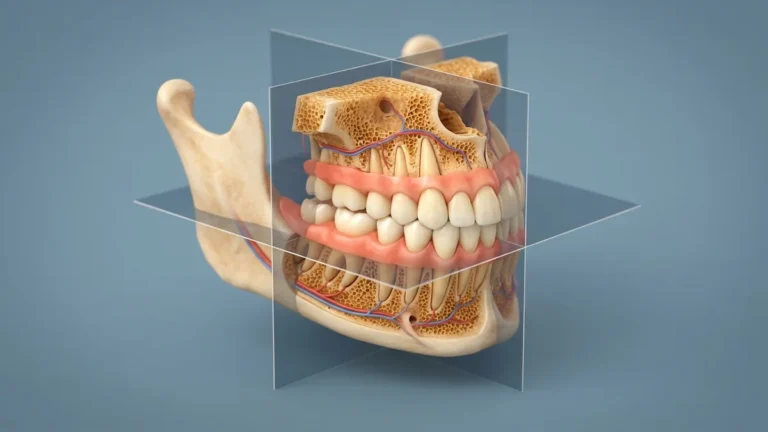
A dental 3D CT scan, also known as Cone Beam Computed Tomography (CBCT), is an advanced diagnostic imaging tool used in modern dentistry. Unlike traditional two-dimensional dental X-rays, a 3D dental X-ray rotates around your head to capture hundreds of high-resolution images in seconds. These individual scans are compiled into a highly detailed, three-dimensional digital reconstruction of your teeth, jawbone, nerve pathways, and surrounding soft tissues. This precise mapping is critical for planning complex procedures such as dental implants, bone grafts, and orthodontic treatments, allowing dentists to evaluate bone density and avoid structural complications before surgery.

Extraction Primary Tooth

An extraction of a primary tooth, also known as a baby or deciduous tooth, is the surgical removal of a pediatric tooth. This procedure is typically recommended when a child’s tooth is severely decayed, infected, fractured, or fails to fall out naturally, which can block the eruption path of permanent teeth. While dentists always aim to preserve natural baby teeth to maintain spacing, an extraction becomes necessary to prevent infection from spreading to the underlying bone or adjacent teeth. Modern pediatric tooth extraction in Vietnam is performed under local anesthesia to ensure the child experiences minimal discomfort during the quick procedure.

Extraction Simple

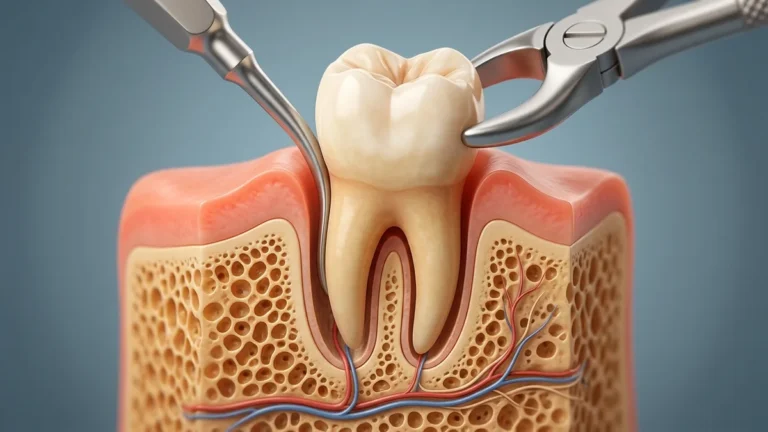
A simple tooth extraction is a straightforward dental procedure where a visible, fully erupted tooth is loosened and removed from its socket under local anesthesia. Dentists perform this when a tooth is severely decayed, fractured, or crowded. During the dental extraction in Vietnam, the dentist uses specialized instruments—an elevator to loosen the tooth and forceps to gently remove it. Unlike surgical extractions, which require incisions into the gum tissue, a simple extraction is minimally invasive, fast, and typically completed in less than 30 minutes. Patients experience minimal discomfort thanks to modern numbing techniques, making it a routine, painless tooth extraction in Vietnam. Recovery is rapid, with most patients returning to normal activities within 24 to 72 hours.

Damon Braces

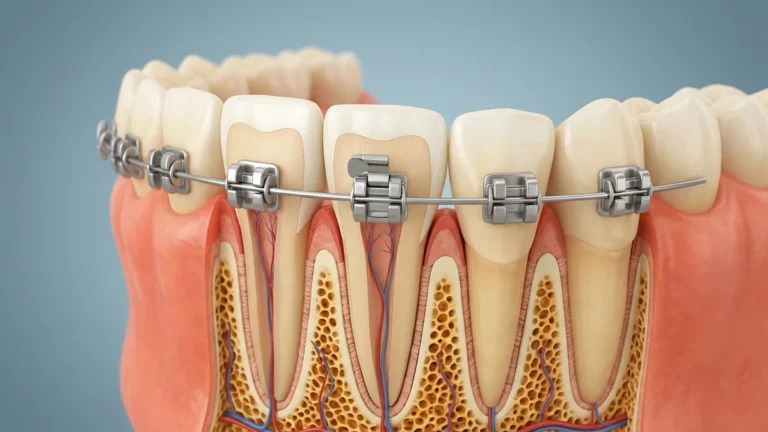
Damon Braces are an advanced self-ligating braces system that uses a specialized slide mechanism instead of elastic bands to secure the archwires, resulting in faster and more comfortable tooth movement. When comparing Damon braces vs traditional cost, self-ligating braces in Vietnam offer a premium aesthetic and clinical solution with fewer adjustment visits. Unlike traditional brackets that require regular tightening of elastic bands, the passive slide mechanism allows wires to move freely within the brackets. This reduces friction and pressure on the teeth, making the treatment more comfortable and often shortening the overall treatment timeline. Patients seeking high-quality orthodontics in Vietnam choose this option for its clinical efficiency, ease of cleaning, and reduced chair time during dental visits.

Crowns

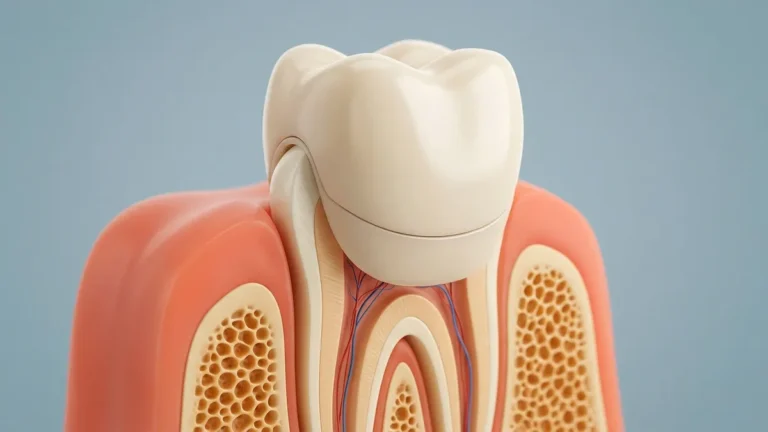
A dental crown is a custom-made, tooth-shaped cap placed over a damaged or decayed tooth to restore its natural size, strength, and appearance. Crowns protect weak teeth from breaking, restore already broken teeth, or cover dental implants and root-canal-treated teeth. In cosmetic dentistry, they are used to cover misshapen or severely discolored teeth. Modern materials include zirconia, porcelain-fused-to-metal (PFM), and lithium disilicate (E-max). During the procedure, the dentist prepares the target tooth by shaping it, takes a digital or physical impression, and places a temporary crown. Once the permanent crown is fabricated in a laboratory, it is securely bonded to the tooth.

Dentures

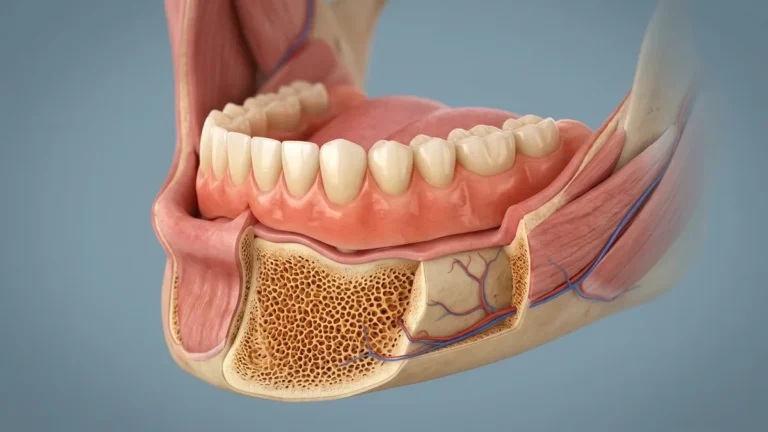
Dentures are removable prosthetic devices designed to replace a partial or full arch of missing teeth. When a patient loses teeth due to decay, injury, or periodontal disease, dentures restore essential oral functions such as chewing and speaking, while supporting the facial muscles to prevent a sunken appearance. Full dentures replace an entire upper or lower arch, resting directly on the gums, while partial dentures fill gaps left by a few missing teeth, secured by natural teeth or clasps. Modern dentures are crafted from high-grade acrylic resins or metal-supported bases, ensuring durability and a natural aesthetic. In Vietnam, international-grade dental laboratories custom-manufacture these prosthetics to achieve an accurate, comfortable fit.

Dental Implants

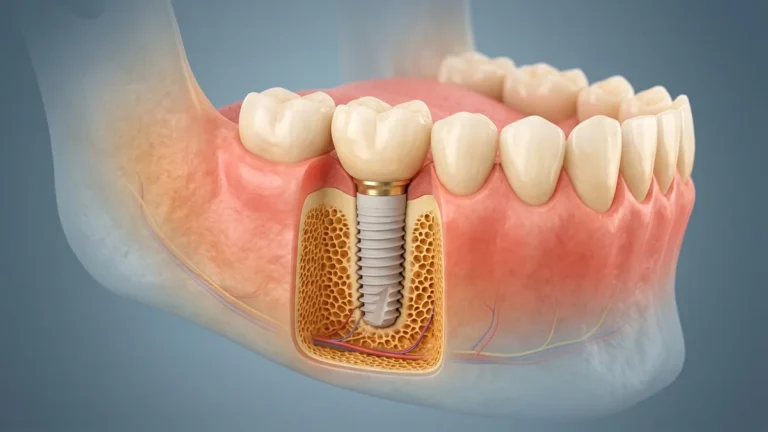
A dental implant is a permanent, natural-looking tooth replacement designed to restore oral function and aesthetics. The treatment involves three key components: a medical-grade titanium post surgically inserted into the jawbone, an abutment connector, and a custom-fabricated porcelain or zirconia crown. Because the titanium post fuses directly with the bone through a natural process called osseointegration, it provides unmatched stability and prevents the bone loss that typically follows tooth loss. This procedure is suitable for individuals missing a single tooth, multiple teeth, or those requiring full-arch restoration. In Vietnam, international-standard clinics utilize advanced three-dimensional cone-beam computed tomography (CBCT) scanning and digital surgical guides to ensure precise implant placement, offering a lifetime solution for missing teeth.

Deep Cleaning Scaling Root Planing Per Quadrant

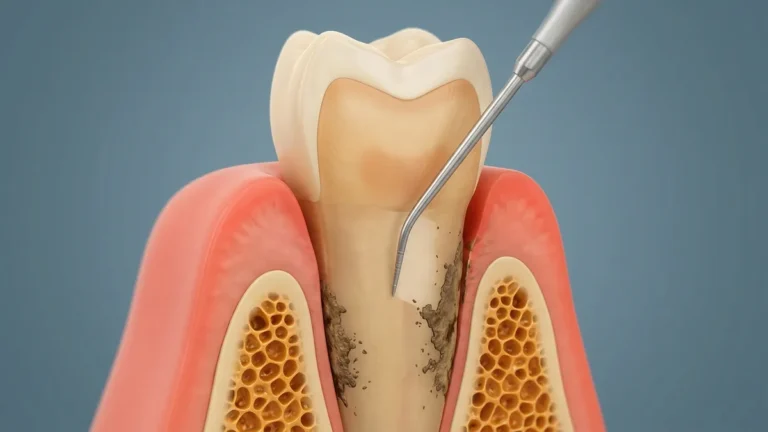
A deep cleaning, medically known as scaling and root planing, is a non-surgical periodontal treatment used to manage active gum disease (periodontitis). Unlike a standard dental cleaning that focuses on the visible tooth surface above the gumline, this procedure targets the roots of the teeth. The dentist or periodontist uses specialized manual instruments or ultrasonic scalers to remove plaque, calculus, and bacterial toxins from deep periodontal pockets below the gums. Once scaled, the root surfaces are planed—or smoothed—to prevent future bacteria accumulation and allow the gum tissue to heal and reattach tightly to the teeth. This treatment is typically administered per quadrant (one of four sections of the mouth) under local anesthesia to manage discomfort.

Temporary Plate

A temporary plate, commonly known as a flipper tooth or an acrylic partial denture, is a lightweight, removable appliance used to temporarily replace one or several missing teeth. This temporary partial denture features a pink acrylic base matching the gums, supporting custom-shaped prosthetic teeth. It is primarily designed to maintain facial aesthetics and basic chewing function while a patient waits for a permanent dental implant or bridge to heal. Because a flipper tooth cost is very low, it serves as an excellent intermediate treatment option that prevents remaining teeth from shifting during the recovery process.